DWP PIP 2026: How Minimum 3-Year Awards Affect Claimants
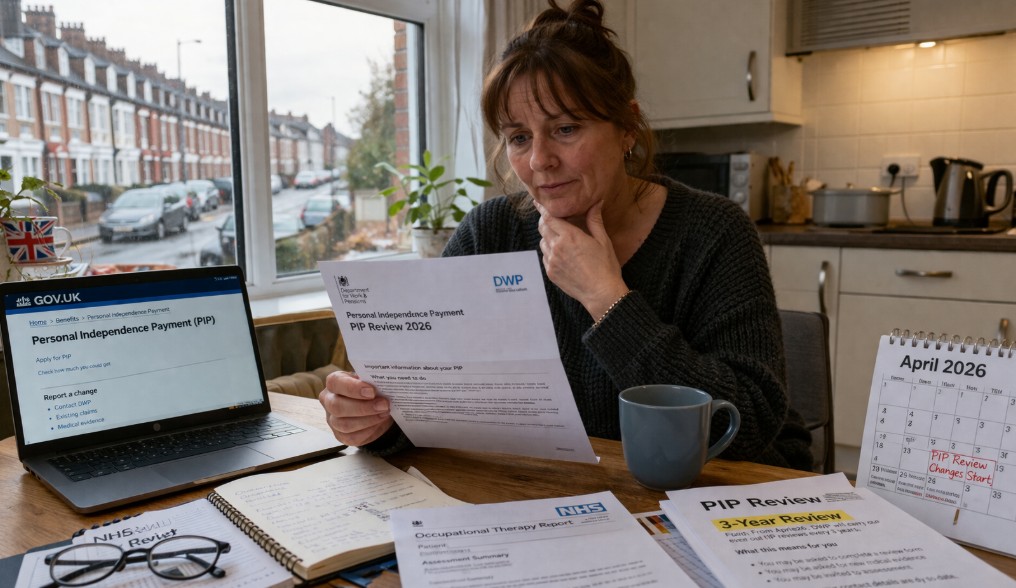
For millions across the UK managing long-term health conditions and disabilities, the arrival of a brown envelope from the Department for Work and Pensions (DWP) can trigger a wave of anxiety. Inside, often lies a reassessment notice for Personal Independence Payment (PIP), initiating a process notorious for its complexity, stress, and frequent demands to re-prove established needs. Historically, some claimants have faced reviews as often as every nine months, navigating dozens of pages of forms and attending often-stressful assessments.
The government has, by its own admission, acknowledged that this system requires reform. The upcoming DWP PIP 2026: Major Changes to Review Periods & Assessments are a significant attempt to address part of this long-standing issue. At the heart of these reforms is a pivotal shift towards longer award durations, aimed at providing greater stability for claimants. This article delves into these crucial DWP PIP 2026: Longer Awards, More Face-to-Face Assessments, explaining what's changing, who it affects, and the broader implications for the 3.9 million people who rely on PIP.
Understanding the Core DWP PIP Review Changes for 2026
From April 2026, the DWP is implementing two primary, confirmed updates to the Personal Independence Payment system. These modifications are part of a broader departmental effort to streamline operations, reduce a significant backlog of outstanding PIP decisions (estimated at around 710,000), and enhance the efficiency and perceived accuracy of the assessment process.
- A Minimum 3-Year Award Duration: The most impactful change for many will be the introduction of a minimum three-year award period for the majority of new PIP claimants aged 25 and over. This marks a substantial increase from the current system, where awards could be as short as nine months, leading to frequent and burdensome reviews.
- Increased Face-to-Face Assessments: Running in a different direction, the DWP aims to significantly increase the proportion of in-person assessments. Under pandemic-era arrangements, remote assessments (by phone or video) became the norm, making up around 80% of cases by 2024. The 2026 changes will target approximately 30% of all PIP assessments to be conducted face-to-face.
Secretary of State for Work and Pensions, Pat McFadden, has articulated the rationale behind these Dwp Pip Review Changes as an effort to alleviate "unnecessary pressure" on both claimants and the healthcare professionals conducting assessments. The department contends that by extending review periods, capacity will be freed up to tackle the extensive backlog of Work Capability Assessments, a separate but related administrative challenge that has grown substantially since the pandemic.
The Impact of Minimum 3-Year PIP Awards on Claimants
The shift to a minimum three-year award period for new claimants aged 25 and over represents a tangible step towards greater stability and peace of mind for those with long-term conditions. Previously, the anxiety of an impending review could loom large just months after an award was granted, forcing individuals to constantly re-prove their eligibility.
What This Means in Practice:
- Reduced Stress and Bureaucracy: For many, the most significant benefit will be the respite from the relentless cycle of paperwork and assessments. Knowing that an award is secure for at least three years allows claimants to focus their energy on managing their health, rather than navigating complex administrative processes.
- Financial Stability: Longer award periods inherently offer greater financial predictability. This can be crucial for budgeting, managing household expenses, and planning for adaptations or support services without the constant worry of an imminent reduction or cessation of payments.
- Progression to Longer Awards: If, at the initial three-year review, a claimant continues to meet the eligibility criteria, their subsequent award period can be extended even further, potentially for up to five years. This progressive system aims to provide escalating levels of security for those with stable, long-term needs.
- Targeted Relief: The DWP states that these changes will impact the "majority of new claims" in the relevant age group, indicating a broad application across eligible individuals.
However, it's important to note the specifics: this minimum award primarily applies to *new* claimants aged 25 and over. Existing claimants will continue under their current review schedules until their next review, though the DWP's overall strategic shift may indirectly influence future review decisions. While a step forward, some disability advocates question whether three years is truly sufficient for those with lifelong, unchanging conditions, suggesting that even longer, or even indefinite, awards might be more appropriate in certain circumstances to truly address the "unnecessary pressure."
The Return of Face-to-Face PIP Assessments: What Claimants Need to Know
While extended award periods offer relief, the DWP's simultaneous move to increase face-to-face PIP assessments introduces a new set of considerations and potential challenges for claimants. During the pandemic, remote assessments became the default, plummeting in-person assessments to a mere 6% of all PIP cases by 2024. The 2026 changes aim to reverse this trend, targeting 30% of all assessments to be conducted in person.
DWP's Rationale vs. Claimant Concerns:
- Improving Accuracy: The government asserts that a return to in-person assessments will improve the accuracy of decisions. This perspective suggests that physical examinations and direct observation can provide a more comprehensive understanding of a claimant's needs.
- Historical Data and Burden: Disability organisations and claimant support groups have historically observed that face-to-face assessments tend to yield lower success rates for applicants compared to remote evaluations. Furthermore, the requirement to travel for an assessment can impose significant burdens on individuals whose conditions involve mobility issues, chronic pain, fatigue, anxiety, or other difficulties with unfamiliar environments.
The tension between these two viewpoints is undeniable. While an in-person assessment might offer more accurate insight in some specific cases, it simultaneously creates new accessibility hurdles for others. Navigating public transport, arranging accessible taxis, enduring long journeys, and coping with the stress of an unfamiliar assessment centre can exacerbate symptoms for many individuals. It's crucial for claimants to be aware of this shift and prepare accordingly.
Practical Tips for Face-to-Face Assessments:
- Gather Comprehensive Evidence: Ensure you have all relevant medical reports, letters from specialists, prescriptions, and a diary illustrating your daily challenges.
- Bring a Companion: Having a friend, family member, or support worker with you can provide emotional support and help you remember key points to discuss. They can also take notes or interject if you struggle to articulate something.
- Be Prepared to Describe "A Bad Day": Assessors need to understand how your condition affects you on your worst days, not just your best. Don't downplay your struggles.
- Request Accommodations: If you require specific adjustments, such as a ground-floor assessment room, an interpreter, or a specific time of day, communicate these needs to the DWP well in advance.
- Consider Recording: You have the right to record your assessment, but you must seek permission from the DWP beforehand and adhere to their guidelines. This can provide a valuable record of the discussion.
- Focus on Activities, Not Just Diagnosis: Emphasise how your condition impacts your ability to perform daily living and mobility activities as defined by PIP criteria.
Broader Context and Future Outlook: Beyond the 2026 Operational Changes
It's vital to distinguish these operational Dwp Pip Review Changes, effective from April 2026, from the broader, more fundamental discussions surrounding the future of disability benefits. The government's ongoing "Timms Review," for instance, is examining the entire structure and effectiveness of PIP, exploring more radical changes that go far beyond tweaking review periods and assessment methods.
These 2026 updates are primarily administrative adjustments, aimed at addressing immediate backlogs and improving the efficiency of the existing system. They do not fundamentally alter the eligibility criteria or the underlying assessment framework of PIP itself. The government's recent Green Paper also signals a wider debate about potential reforms to the entire welfare system, including the possibility of replacing PIP with alternative models of support. Therefore, while the 2026 changes offer some welcome relief in terms of review frequency, they are but one piece of a much larger, evolving puzzle.
For a deeper dive into all aspects of the DWP PIP 2026: Major Changes to Review Periods & Assessments, and how DWP PIP 2026: Longer Awards, More Face-to-Face Assessments impact you, explore our detailed guides.
Conclusion
The Dwp Pip Review Changes set for April 2026 represent a mixed bag for claimants. The introduction of minimum three-year awards for new claimants aged 25 and over is a significant, positive step towards reducing stress and increasing stability for individuals navigating long-term health conditions. This change acknowledges the burden of frequent reassessments and offers a much-needed period of predictability. However, the simultaneous push towards more face-to-face assessments reintroduces challenges, particularly for those with severe mobility issues or conditions exacerbated by travel and unfamiliar environments.
While these Dwp Pip Review Changes are a response to acknowledged systemic issues, they are part of an ongoing journey of reform. Claimants are encouraged to stay informed about these and any future updates, gather comprehensive evidence, and prepare thoroughly for any assessments. Understanding these reforms is crucial for navigating the PIP system effectively and ensuring continued access to vital support.